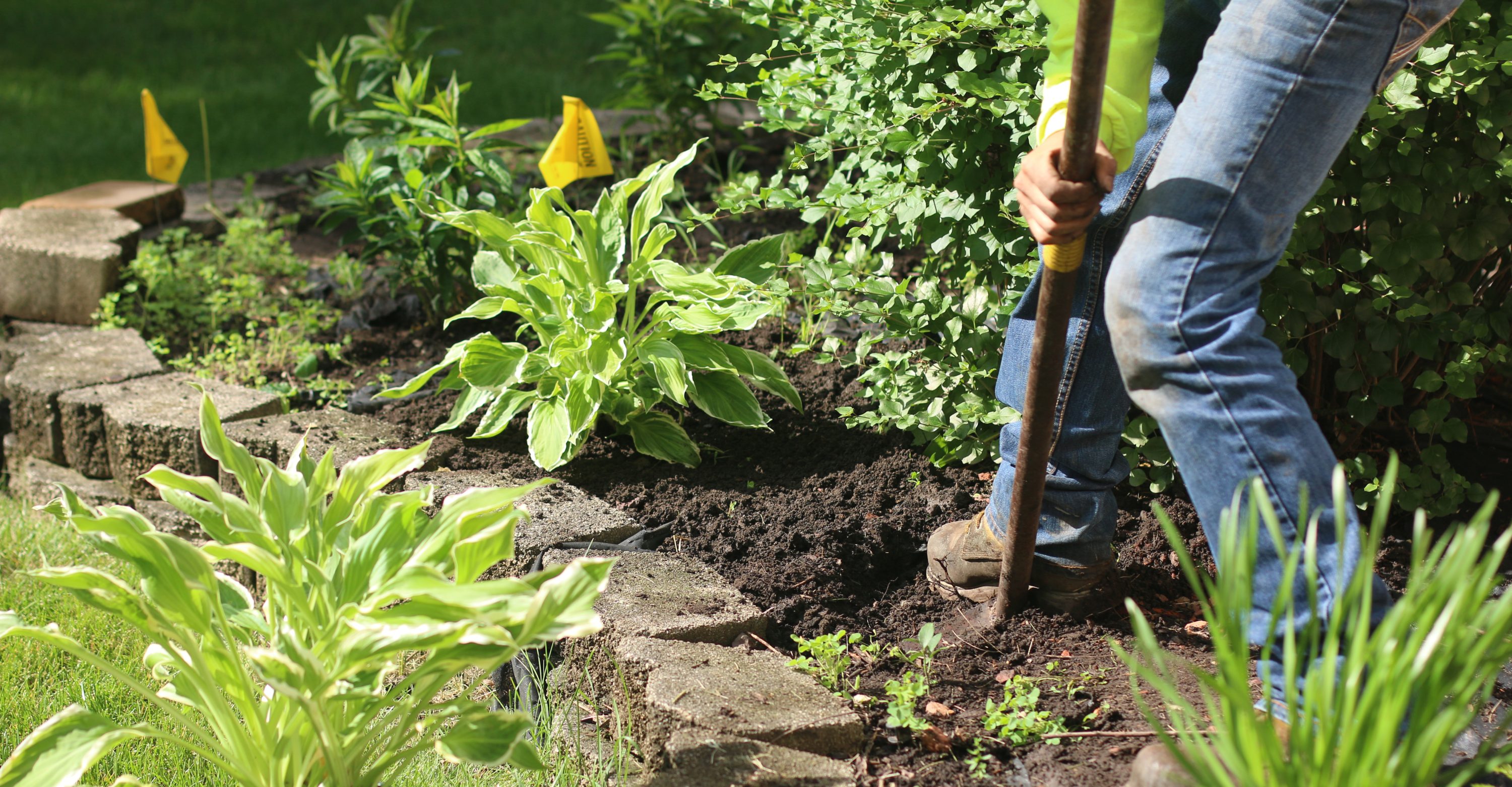
Every year, warmer weather brings a surge in outdoor projects across Illinois, from backyard landscaping to large-scale construction. While spring marks the unofficial start to the digging season, excavation projects happen year-round. It’s the type of work and the challenges that come with it that change with the seasons.
Here’s a breakdown of common projects in spring, summer, fall, and winter along with how they connect to seasonal digging safety and proper preparation.
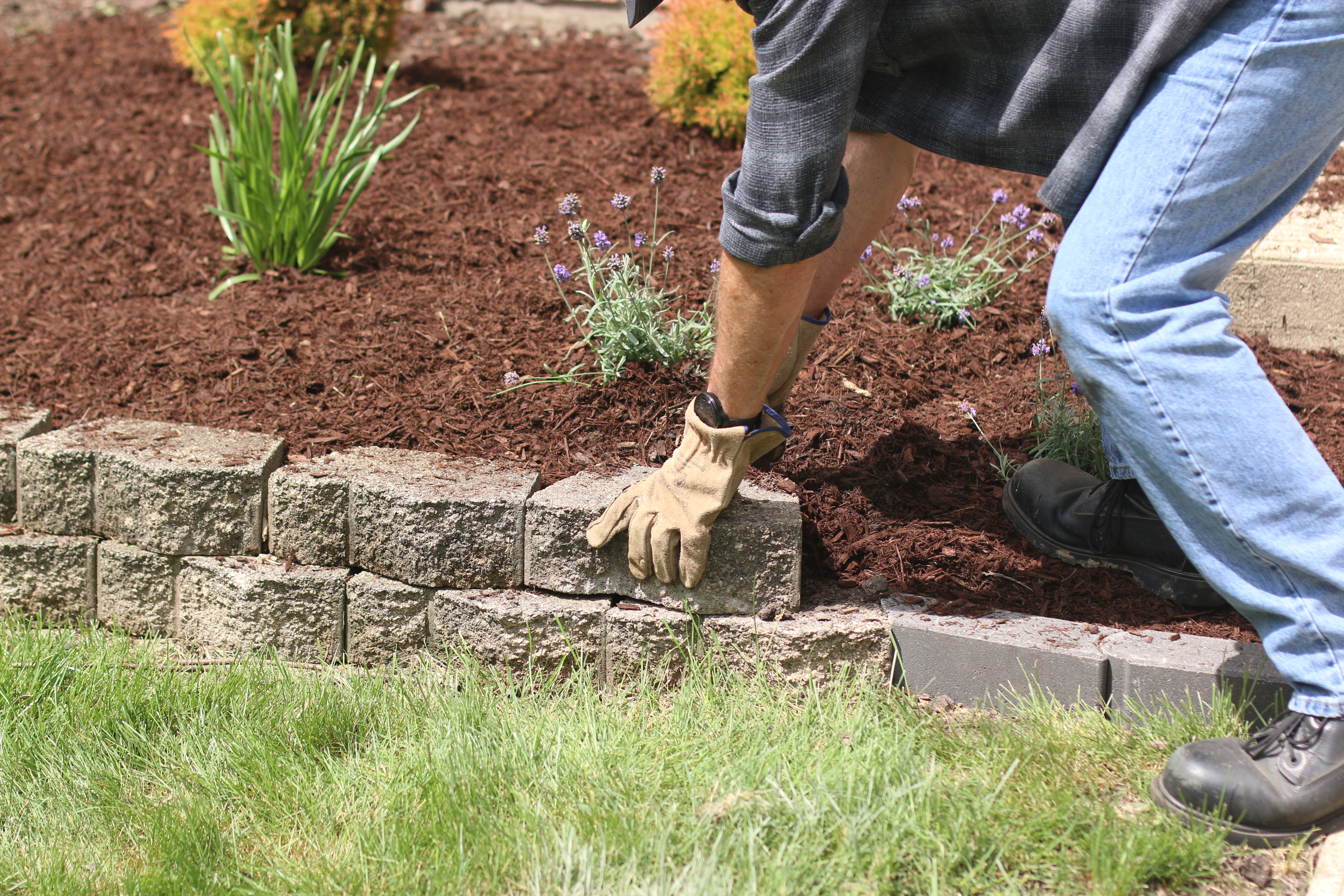
Spring is the perfect time to start outdoor projects, but it’s also when the risk of underground utility line damage increases. Soil saturated from snowmelt or heavy rain can cause buried lines to shift and frost heave may have moved utilities closer to the surface. These conditions can make excavation unpredictable.
To ensure your safety…and the safety of those around you…always make contacting JULIE before you dig your first step for safe seasonal digging, regardless of the size or depth of the job. Hiring a contractor? It’s their responsibility to contact JULIE.
Illinois law requires you contact JULIE at least 3 days (excluding weekends and holidays) before starting any digging activity. To streamline the process, plan ahead during peak seasons and provide accurate details about your excavation area.
Landscaping and Yard Improvements
Installing sod, aerating grass, regrading lawns
Building garden beds or retaining walls
Setting up tents for parties and events
Fence and Deck Installation
Digging post holes for fences
Installing new decks or repairing existing structures
Irrigation and Drainage Systems
Installing or repairing sprinkler systems
Adding drainage solutions to manage spring rain
Early summer is an optimal time for seasonal excavation due to longer daylight hours but it also introduces environmental challenges that can affect utility locating and marking. Rain, wind and storms can make utility locate marks harder to see or maintain. Adapting to these conditions is essential for safe digging in Illinois. Use extra caution in unstable soil and if at any time during your excavation project you can no longer clearly see the flags or paint, contact JULIE so that utility companies can refresh their marks.
Utility and Cable Installation
Running new electric, gas or communication lines
Upgrading outdoor lighting or service connections
Home Improvement Projects
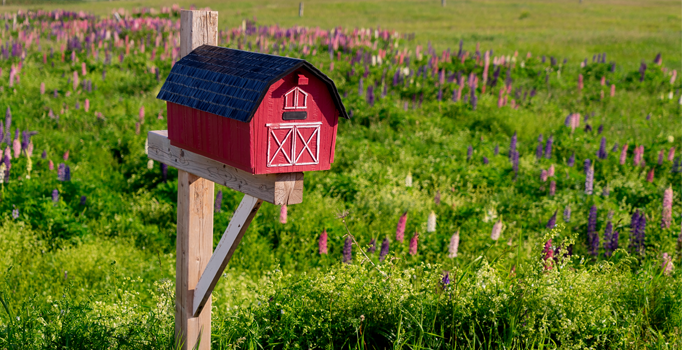
Mailbox or sign installation
Driveway expansions or walkway construction
Foundation repairs or waterproofing
Pool installation or repairs
Roadwork and Large Construction Projects
Coordination is a key part of seasonal excavation safety, especially on major projects. When crews are aligned, projects run more efficiently and safely. Before breaking ground, schedule work appropriately to avoid delays, share locate information with all crew members, and ensure equipment operators understand proximity limits around utilities.
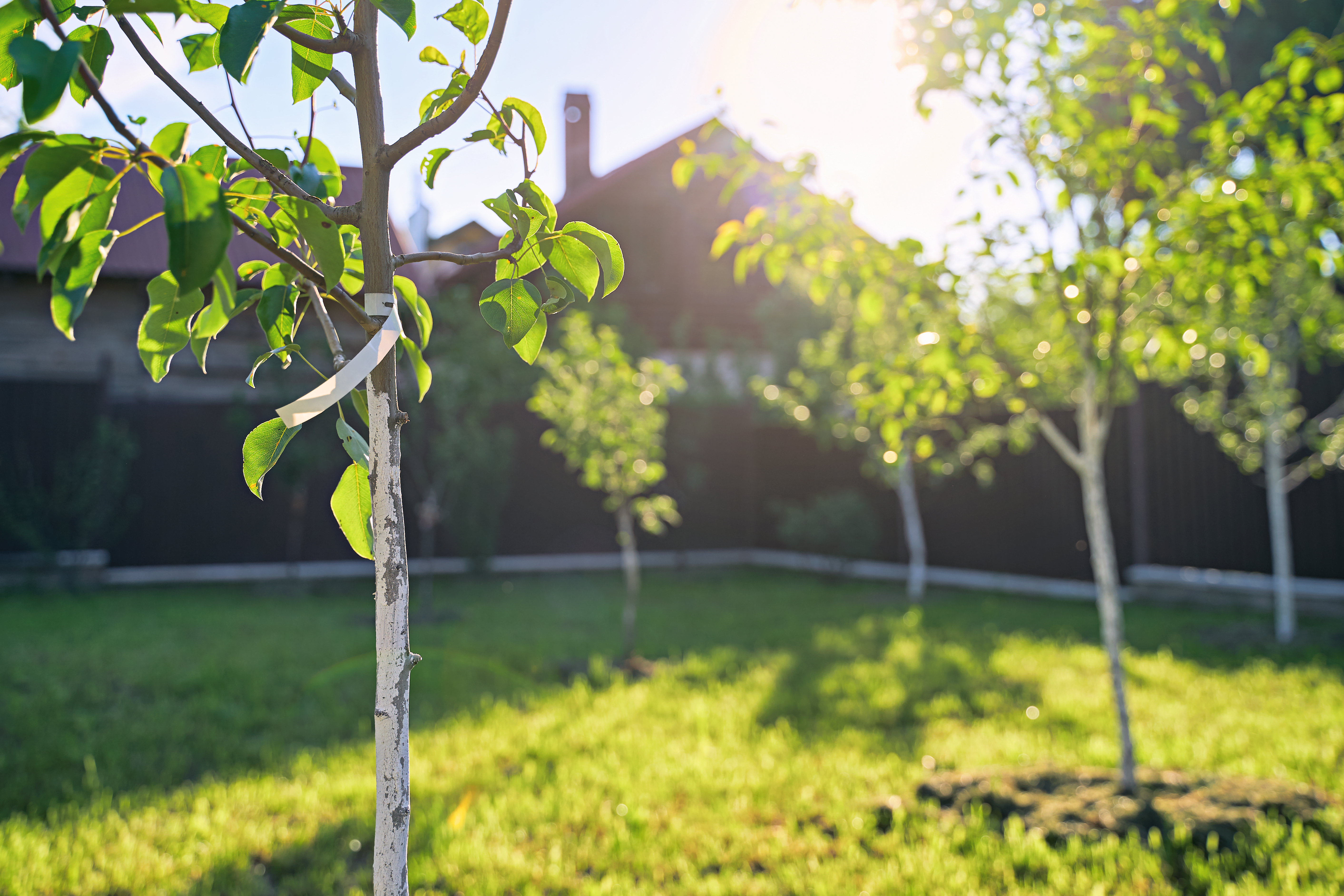
Thanks to cooler temperatures and more comfortable conditions, fall can be another active digging season, especially for completing property improvements before winter. However, shorter daylight hours may impact visibility while falling leaves or wet soil can obscure or fade utility marks. That’s why fall projects still require strict adherence to excavation safety guidelines, including verifying marks before digging. Never rely on memory or old marks from a previous project. Safe seasonal digging depends on current, visible and accurate locates.
Landscaping
Tree and shrub planting (ideal growing conditions)
Home Improvement Projects
Drainage installation or repairs
Irrigation system upgrades or winterization
Foundation repairs and waterproofing
Trenching for outdoor lighting or utilities
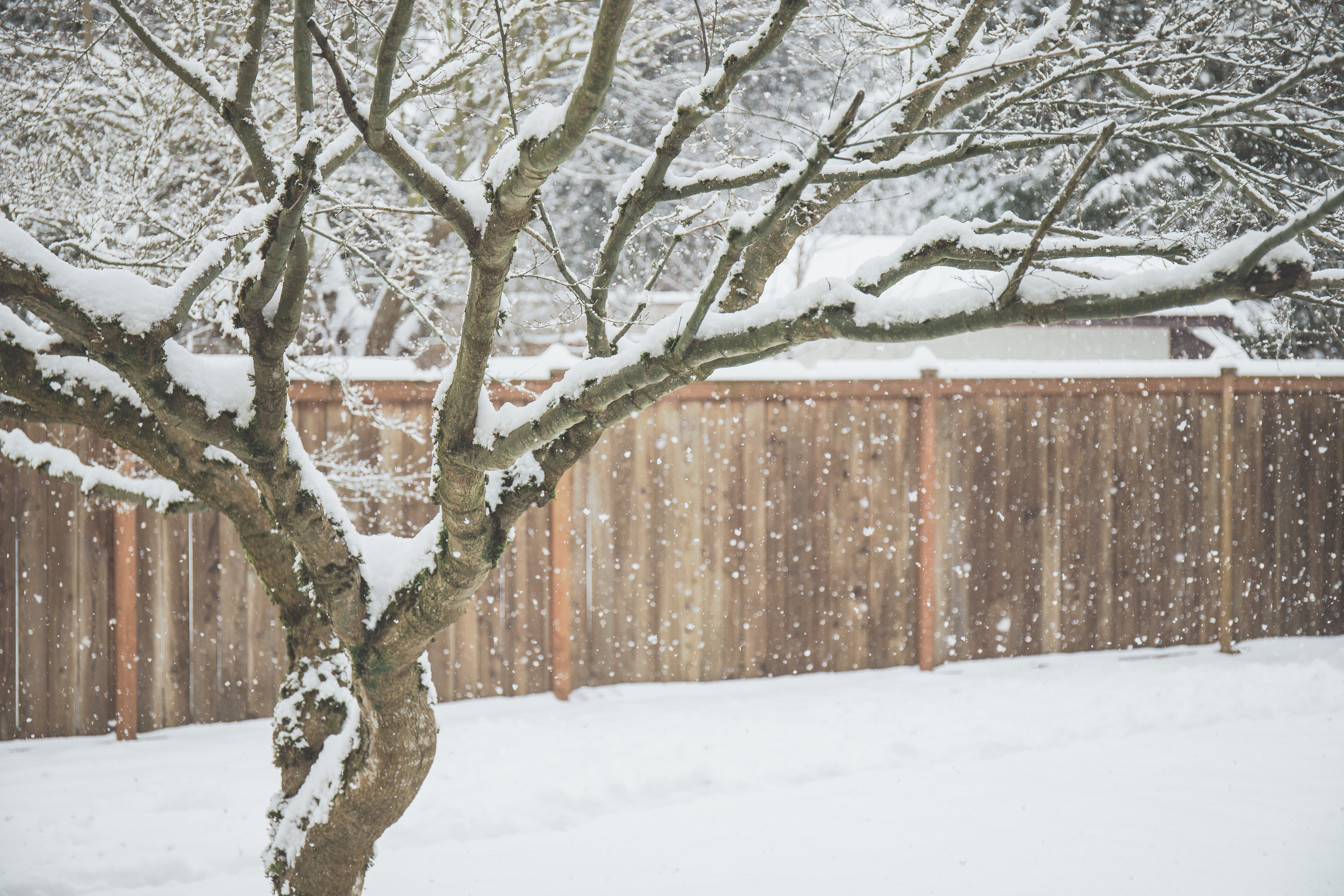
While less common, digging can occur during winter with large-scale work often started before the ground freezes. Urgent projects can arise, too, making seasonal excavation safety just as important this time of year. Soil movement from freeze-thaw cycles can shift underground utilities and digging can be more difficult on hardened ground. Never assume you know what’s below. If snow is present, pre-mark your dig site using black paint or flags, then contact JULIE to have underground utility lines marked, and confirm utility responses before any excavation.
Winter Excavation
Emergency utility repairs (gas, water, sewer breaks)
Indoor plumbing or sewer line replacements extending outdoors
Commercial construction projects with ongoing excavation
Snow removal-related digging (installing posts, barriers, or drainage fixes)
Proper planning is the foundation for safe seasonal digging, whether you’re installing a fence in July or repairing a water line in January. No matter the season, project type or depth of excavation, follow thee five steps to safe digging:
Identify Your Dig Site
• Pre-mark with white paint, flags or chalk (black when snow is on the ground)
Submit A Locate Request
• Contact JULIE before you dig online or call 811 (both available 24/7/365)
Wait For The Flags And Check For Utility Responses
• Confirm all utility companies have responded to your locate request by checking JULIE’s online Positive Response system
Respect The Marks
• Verify marks are visible throughout the duration of your project, especially after weather changes
Dig With Care
• Respect the tolerance zone and follow safe digging practices to prevent damage and injury
Safe digging in Illinois starts with understanding seasonal risks and planning accordingly. Whether you’re a first-time homeowner or an experienced contractor, utility locating is the foundation of safe digging—any time of year. Prepare for seasonal excavation and protect critical underground infrastructure by following proven excavation safety guidelines including contacting JULIE before you dig. The service is always FREE.